Table of Contents
- Understanding the Landscape of Pet Food Today
- The Case for Homemade Pet Food
- The Challenges of Homemade Pet Food
- The Case for High-Quality Store-Bought Pet Food
- The Challenges of Store-Bought Pet Food
- A Middle-Ground Approach: The Best of Both Worlds
- The Role of Expert Guidance
- Making the Right Choice for Your Pet
- Visit Us at Dingo's Natural Pet
As a devoted pet parent, few decisions carry as much weight as what you choose to feed your furry family member. Food is the foundation of health, and with so many options available today, the choice between preparing your pet’s meals at home and purchasing high-quality store-bought food is one that deserves careful consideration.
At Dingo’s Natural Pet, we hear this question from customers every day. Our team of pet nutritionists has helped hundreds of pet owners navigate this decision, and we’re here to share what we’ve learned so you can make the most informed choice for your individual dog or cat. Spoiler: There’s no single right answer, but there is a right answer for your pet.
Understanding the Landscape of Pet Food Today
Before jumping into the homemade vs. store-bought debate, it’s worth noting how dramatically the pet food industry has evolved. Gone are the days when “store-bought” simply meant highly processed kibble packed with fillers, artificial preservatives, and mystery ingredients. Today, the market includes a wide spectrum of options, from conventional grocery store brands to carefully crafted, limited-ingredient diets, freeze-dried raw foods, frozen raw formulas, and everything in between.
Similarly, “homemade” pet food isn’t a monolithic category. Some pet owners prepare lightly cooked meals from whole ingredients, while others follow raw feeding protocols. Some use homemade food as a topper or supplement to commercial diets, while others go fully homemade. The variety is enormous, and understanding what each approach involves is key to making a sound decision.
The Case for Homemade Pet Food
Complete Control Over Ingredients
The most compelling argument for homemade pet food is the level of ingredient control it provides. When you prepare your pet’s meals from scratch, you know exactly what goes into the bowl: every protein source, every vegetable, every supplement. For pets with severe food sensitivities or allergies, this degree of control can be genuinely life-changing.
Pet owners who have struggled for months to identify a mystery allergen through commercial diets often find resolution by switching to a simple, homemade elimination diet. With homemade food, you can trace every ingredient back to its source, remove anything suspicious, and build a clean, transparent diet from the ground up.
Freshness and Minimal Processing
Homemade pet food, by its nature, involves fresh, minimally processed ingredients. Unlike commercial foods that may undergo high-heat processing and long shelf-stable storage, a freshly prepared homemade meal retains natural enzymes, moisture, and nutritional integrity. Many pet owners report visible improvements in their pets’ energy, coat quality, and digestion after transitioning to fresh food.
Customization for Special Needs
Every pet is unique. Senior pets, those recovering from illness, highly active working dogs, and pets with chronic conditions all have different nutritional profiles. Homemade diets can be precisely tailored to meet individual needs in ways that even the best commercial formulas may not fully address. Under the guidance of a veterinary nutritionist, a well-designed homemade diet can be a powerful therapeutic tool.
A Deeper Bond Through Food Preparation
There’s something meaningful about preparing food for someone you love, and that applies to pets, too. Many pet owners find that cooking for their animals deepens their sense of connection and care. The ritual of preparing a meal becomes an act of love, and knowing exactly what your pet is eating provides a profound sense of peace of mind.
The Challenges of Homemade Pet Food
Nutritional Completeness Is Harder Than It Looks
This is the most critical pitfall of homemade pet feeding, and it cannot be overstated. Dogs and cats have highly specific nutritional requirements that go far beyond protein and carbohydrates. They need precise ratios of calcium and phosphorus, adequate taurine (especially cats, who cannot synthesize it independently), appropriate levels of essential fatty acids, and a host of vitamins and trace minerals.
Studies have found that the vast majority of homemade pet food recipes found online, even those published on reputable-seeming websites, are nutritionally incomplete or imbalanced. Deficiencies don’t always show up immediately; they can accumulate silently over months or years, eventually causing serious and sometimes irreversible health problems, including skeletal abnormalities, heart disease, and immune system dysfunction.
This doesn’t mean homemade feeding is impossible, but it does mean it must be done with expert guidance and proper supplementation. Simply feeding your dog chicken and rice indefinitely, for example, will result in serious nutritional deficiencies over time.
Time, Cost, and Logistical Demands
Preparing nutritionally complete homemade meals for a pet requires ongoing time and effort. Sourcing quality ingredients, preparing meals in appropriate quantities, storing them safely, and supplementing correctly is a significant commitment. For many busy households, this proves unsustainable long-term, and an inconsistently prepared homemade diet can be worse than a reliable commercial one.
Cost is another factor. High-quality proteins, organ meats, and appropriate supplements add up quickly. Depending on the size of your pet, a truly complete and balanced homemade diet may cost considerably more than premium commercial pet food.
Food Safety Risks
Raw or lightly cooked homemade diets introduce food safety considerations that require strict attention. Proper handling, storage temperatures, cross-contamination prevention, and safe sourcing of raw ingredients are all essential. Households with young children, elderly members, or immunocompromised individuals need to be especially vigilant.
The Case for High-Quality Store-Bought Pet Food
Nutritional Balance You Can Trust
When pet food brands partner with veterinary nutritionists and conduct feeding trials to meet AAFCO (Association of American Feed Control Officials) standards, the resulting products provide reliable nutritional completeness. A high-quality commercial diet takes the guesswork out of meeting your pet’s specific nutritional needs through every life stage.
This is particularly important for puppies and kittens, whose nutritional requirements during growth and development are especially precise and where deficiencies can have lasting consequences.
The Quality Gap Has Closed Significantly
The “store-bought vs. homemade” debate was more one-sided a generation ago, when commercial pet food was dominated by heavily processed, low-quality products. Today, that’s simply no longer true, at least not across the board.
Brands like ORIJEN, with its biologically appropriate philosophy and fresh regional ingredients, deliver a protein-dense diet that rivals what many pet owners could prepare at home. Primal Pet Foods and Smallbatch offer expertly formulated frozen raw diets that combine the benefits of raw feeding with the assurance of nutritional completeness. Farmina uses low-glycemic, ancestral-inspired formulas developed in collaboration with veterinary researchers. Fromm is a family-owned brand with decades of commitment to premium nutrition and safety. These are not your grandmother’s canned pet foods.
At Dingo’s Natural Pet, we’ve carefully curated our selection to carry only all-natural, high-quality brands that we genuinely believe in. We don’t stock foods with artificial preservatives, unnecessary fillers, or low-quality protein sources. Every brand on our shelves, from Nulo and NutriSource to Zignature and Weruva, has earned its place through a commitment to real ingredients and nutritional integrity.
Variety of Formats to Suit Every Pet
One of the great advantages of today’s premium pet food market is the sheer variety of formats available. For pets who thrive on raw nutrition but whose owners want the safety and convenience of commercial formulation, frozen raw diets from Primal or Smallbatch offer the best of both worlds. For cats with famously low thirst drives, high-moisture canned foods from brands like Fussie Cat, Almo Nature, and Weruva support kidney health and hydration. For dogs with food sensitivities, Zignature’s limited-ingredient formulas provide clean, single-protein options with minimal ingredients.
There is genuinely something for every pet and every lifestyle, and our knowledgeable team at Dingo’s can help you find it.
Convenience Without Compromise
Let’s be honest: life is busy. Between work, family, and everything else, many pet owners simply don’t have the bandwidth to prepare nutritionally complete homemade meals consistently. Premium commercial pet food allows you to provide your pet with exceptional nutrition without the time and labor demands of home preparation.
There’s no guilt in that choice. A consistently fed, nutritionally complete commercial diet from a quality brand will serve your pet far better than an inconsistently prepared homemade one.
The Challenges of Store-Bought Pet Food
Not All Commercial Foods Are Created Equal
The single biggest downside of the commercial pet food market is its lack of uniformity. Low-quality brands share shelf space with exceptional ones, and clever marketing can make it genuinely difficult for consumers to tell the difference. Vague ingredient labels, misleading buzzwords like “premium” and “gourmet” (which have no regulatory definition), and flashy packaging can obscure the reality of what’s inside the bag or can.
This is why shopping at a specialty natural pet food store like Dingo’s Natural Pet matters. We’ve done the vetting for you, screening out brands that don’t meet our standards so that everything you find in our store is something we’re comfortable recommending.
Food Recalls and Manufacturing Concerns
Commercial pet food recalls, while relatively rare among premium brands, do happen. Large-scale manufacturing introduces the possibility of contamination, quality control failures, and ingredient inconsistencies. Staying informed about recalls (the FDA maintains a searchable database) and choosing brands with strong safety track records is essential.
Less Personalization
Even the best commercial formulas are designed for the average pet in a given category—average activity level, average size, average health status. They may not perfectly address the specific needs of your individual animal. This is one area where homemade diets, when done correctly, can genuinely outperform commercial options.
A Middle-Ground Approach: The Best of Both Worlds
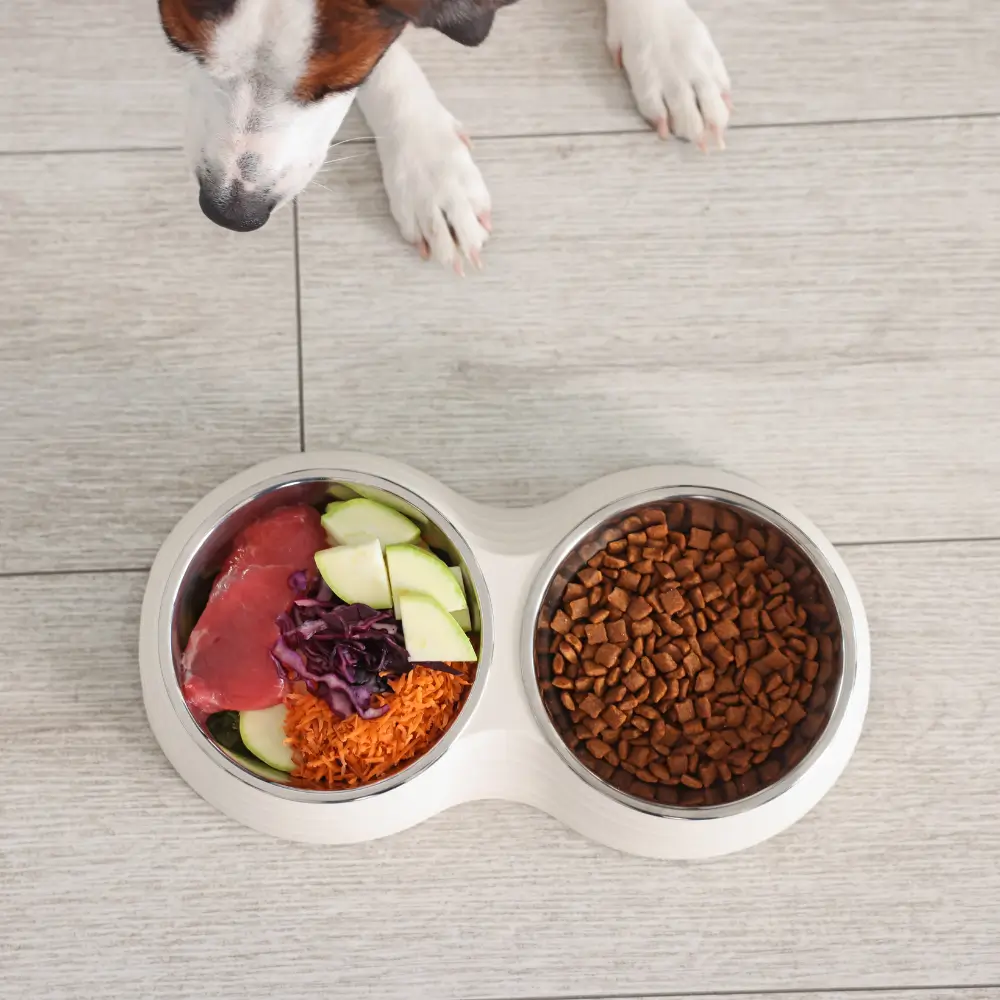
For many pet owners, a hybrid approach makes the most sense. Using a high-quality commercial diet as the nutritional foundation while incorporating fresh, whole food toppers—lightly cooked eggs, sardines packed in water, steamed vegetables, or fresh raw meat—provides both nutritional reliability and the benefits of fresh food variety.
This approach is practical, sustainable, and can make mealtimes more exciting for pets who have grown bored with the same food day after day. It also allows pet owners to gradually incorporate more fresh food as their knowledge and confidence grow, without the risk of nutritional inadequacy that comes with going fully homemade without expert guidance.
The Role of Expert Guidance
No matter which direction you lean, professional nutritional guidance is invaluable. This is one of the reasons we’re so passionate about our free, no-obligation nutritional consultations at Dingo’s Natural Pet.
Our two in-store pet nutritionists work with pet owners one-on-one to assess their pet’s individual needs—taking into account age, breed, activity level, health history, and personal feeding goals—and help them identify the best dietary approach. Whether you’re committed to homemade feeding and want help designing a balanced recipe, curious about transitioning to raw, looking to switch commercial brands, or simply overwhelmed by the options and not sure where to start, we’re here to help.
This consultation is completely free and comes with absolutely no obligation to purchase anything. We offer it because we genuinely believe that informed pet owners make better decisions for their animals, and that’s good for everyone.
Making the Right Choice for Your Pet
So, homemade or store-bought? Here’s our honest take:
For most pet owners, a high-quality commercial diet, particularly one that incorporates fresh, minimally processed ingredients like frozen raw, freeze-dried raw, or high-moisture canned food, provides the best balance of nutritional completeness, convenience, and safety. Supplementing with fresh food toppers adds variety and the benefits of whole food nutrition without the risks of a fully homemade diet.
Fully homemade diets can absolutely be appropriate and even optimal for certain pets, but they require a significant investment of knowledge, time, and ongoing commitment to nutritional correctness. If you’re drawn to homemade feeding, we strongly encourage you to work with a qualified pet nutritionist before making the switch.
What matters most isn’t which camp you fall into; it’s that you’re asking the right questions, seeking quality information, and making thoughtful choices based on your individual pet’s needs. That kind of dedication is what separates good pet owners from great ones.
Visit Us at Dingo’s Natural Pet
We invite you to come explore our selection of premium, all-natural pet foods, from limited-ingredient dry diets to frozen raw formulas, freeze-dried options, canned foods, and everything in between. Our team loves talking about pet nutrition, and we’re always happy to spend time helping you find the right fit for your four-legged family member.
And don’t forget: our free nutritional consultations are available to any pet owner, whether you’re a longtime customer or walking through our doors for the first time. Come see us at our Westminster or Reunion location, or browse our selection online. Because your pet deserves nothing less than the very best, and we’re here to help you find it.
Take Our Pet Nutrition Survey
If you’re not quite sure whether a homemade or store-bought diet might be suitable for your pet, complete this quick survey and receive a free no-obligation nutritional consultation from one of our two pet nutritionists.