Table of Contents
- Protein 101: The Building Blocks of Life
- Dogs vs. Cats: A Tale of Two Carnivores
- Cats: The Obligate Carnivores
- Dogs: The Opportunistic Omnivores
- What Makes a Protein "High-Quality"?
- The Red Flags: Signs of Protein Deficiency or Poor Quality
- Navigating the Pet Food Aisle: How to Choose the Best
- Our Commitment at Dingo's Natural Pet
- Fuel a Vibrant, Healthy Life
At Dingo’s Natural Pet in Denver, we believe that what you feed your furry family member is one of the most important decisions you can make. Walk down any pet food aisle, and you’ll see the word “protein” plastered across countless bags and cans. But not all proteins are created equal. The source, quality, and digestibility of the protein in your pet’s diet can mean the difference between a pet that merely survives and one that truly thrives.
So, why is high-quality protein so crucial, and how can you ensure your dog or cat is getting the best? Let’s take a closer look.
Protein 101: The Building Blocks of Life
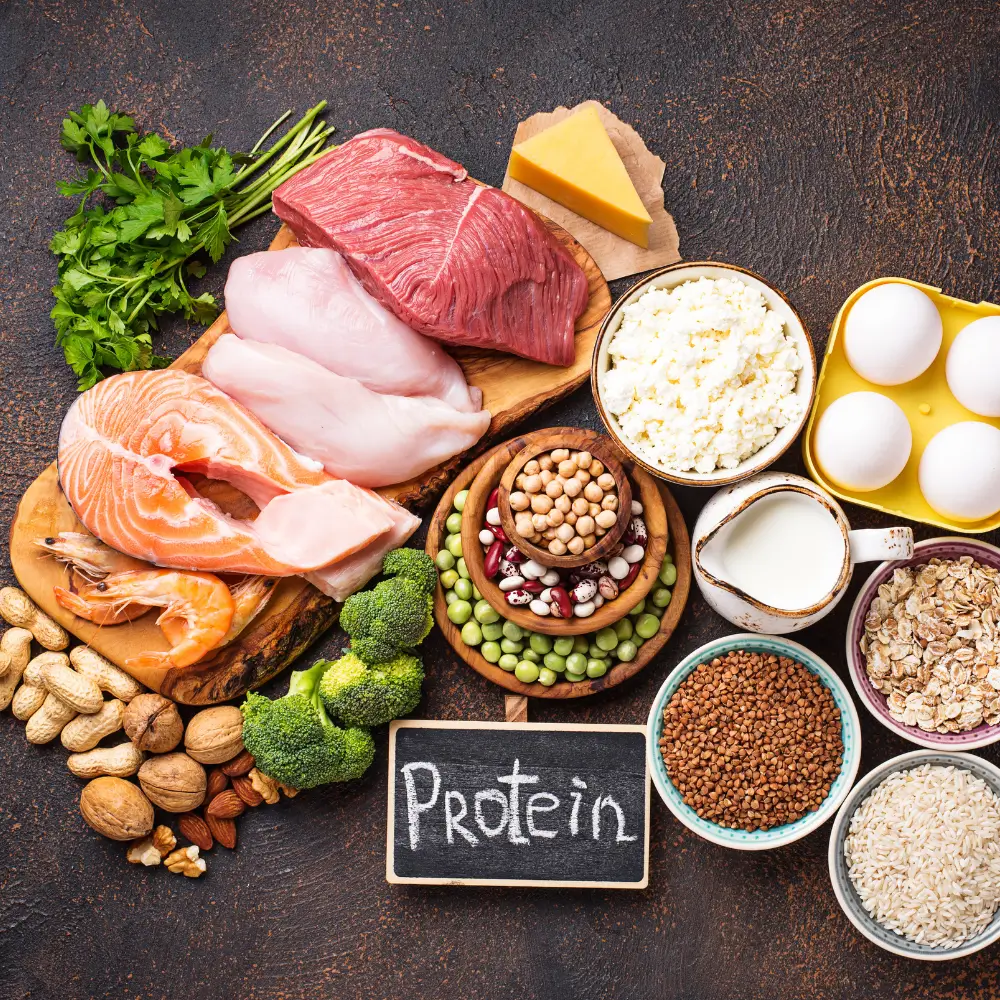
Think of protein as the construction crew and building materials for your pet’s body. Proteins are made up of smaller compounds called amino acids, often described as the “building blocks” of the body. There are 20 different amino acids that dogs and cats need. Their bodies can make about half of these (non-essential amino acids), but the other half—the essential amino acids—must come directly from their diet.
When your pet eats a protein source, like chicken, beef, or fish, their digestive system breaks it down into these individual amino acids. The body then absorbs and reassembles them to build and maintain:
- Muscle Mass: For strength, mobility, and a healthy metabolism.
- Healthy Skin & a Glossy Coat: The proteins keratin and collagen are essential for skin integrity and a shiny, resilient coat.
- Enzymes & Hormones: These critical molecules regulate nearly every bodily function, from digestion to mood.
- Antibodies: A strong immune system relies on proteins to fight off illness and infection.
- Transportation Molecules: Proteins like hemoglobin carry oxygen throughout the bloodstream.
Without adequate high-quality protein, these vital systems can begin to break down, leading to a host of health issues.
Dogs vs. Cats: A Tale of Two Carnivores
Cats: The Obligate Carnivores
Cats are obligate carnivores, meaning they have a strict biological requirement for a diet based on meat. Their bodies are designed to derive essential nutrients, like taurine and arachidonic acid, directly from animal tissue. A taurine deficiency, for example, can lead to severe heart and vision problems. For cats, a high-quality, animal-based protein isn’t just beneficial; it’s non-negotiable for their survival and health.
Dogs: The Opportunistic Omnivores
Dogs descended from wolves and are classified as carnivores, but thousands of years of domestication have given them more omnivorous tendencies. They can digest and derive nutrients from a wider variety of sources, including plants. However, their systems are still most efficient at utilizing animal-based proteins. A diet rich in high-quality animal protein aligns with their evolutionary biology, providing the most complete and bioavailable amino acid profile for optimal health.
What Makes a Protein “High-Quality”?
The term “high-quality” isn’t just marketing fluff; it refers to several key factors:
- Bioavailability and Digestibility: This measures how easily your pet’s body can break down the protein and absorb its amino acids. High-quality proteins from muscle meat, organs, and eggs are highly digestible, meaning more nutrients are used by the body and less is wasted as waste. Low-quality, poorly digestible proteins can lead to larger, smellier stools and gas.
- Amino Acid Profile: A high-quality protein provides a complete and balanced profile of all essential amino acids in the right proportions. Animal-based proteins (like chicken, lamb, and fish) are typically “complete proteins.” Some plant-based proteins (like peas or corn) are “incomplete,” meaning they lack one or more essential amino acids and must be carefully combined to form a complete profile.
- The Source Matters: Named vs. Unnamed Proteins
Take a close look at your pet food’s ingredient list. You want to see clearly named protein sources.- High-Quality: “Deboned Chicken,” “Salmon,” “Beef Liver,” “Lamb Meal.”
- Lower-Quality: “Meat By-Products,” “Animal Digest,” “Poultry Meal.”
- While named meals (like “Chicken Meal”) are concentrated protein sources and can be excellent ingredients, vague terms like “meat by-products” are less transparent. They can include parts like beaks, feet, and undeveloped eggs, which are less bioavailable. At Dingo’s, we prioritize foods with named, recognizable protein sources so you know exactly what you’re feeding your pet.
The Red Flags: Signs of Protein Deficiency or Poor Quality
A diet lacking in proper protein can manifest in several ways:
- Dull, brittle coat and flaky skin
- Loss of muscle mass, especially along the spine and hips
- Low energy and lethargy
- A weakened immune system (frequent sickness)
- Poor growth in puppies and kittens
- Slow healing of wounds
If you notice any of these signs, it may be time to reevaluate your pet’s diet.
Navigating the Pet Food Aisle: How to Choose the Best
With so many options, choosing the right food can feel overwhelming. Here are a few tips to guide you:
- Look at the First Ingredient: The first ingredient listed is the most prominent by weight. Ensure it is a high-quality, named animal protein.
- Consider Your Pet’s Life Stage: A growing puppy or kitten, a highly active working dog, and a senior pet all have different protein requirements. Choose a food formulated for your pet’s specific life stage.
- Beware of “Protein Spiking”: Some lower-quality foods use high-protein plant ingredients (like pea protein) to inflate the overall crude protein percentage on the label. While the number may look good, the protein may not be as bioavailable for your carnivorous-leaning pet.
- Don’t Fear “Meal”: As mentioned, a named meal like “Lamb Meal” is simply meat with the moisture removed. It’s a highly concentrated protein source and is often a valuable ingredient.
Our Commitment at Dingo’s Natural Pet
As your local, trusted pet store in Denver, we’ve done the homework for you. We are passionate about curating a selection of foods that meet the highest standards of nutrition and quality. When you shop with us, you can trust that the products on our shelves, from brands like Answers, A Pup Above, and Weruva, are chosen with your pet’s well-being as our top priority.
Our diets feature:
- Human-Grade, Responsibly Sourced Meats: We carry brands that use cage-free poultry, ranch-raised beef, and sustainably caught fish.
- Gentle Cooking Methods: Many of our foods, like those from A Pup Above, are prepared using sous-vide cooking. This method preserves the integrity of the protein and its amino acids, unlike high-heat processing that can destroy nutrients.
- Novel Proteins: For pets with sensitivities, we offer options with unique protein sources like bison, venison, and rabbit.
- Raw and Gently Cooked Options: These formats provide protein in its most natural, unadulterated state, maximizing bioavailability.
Fuel a Vibrant, Healthy Life
Choosing a diet rich in high-quality protein is one of the most powerful ways to invest in your pet’s long-term health. It supports everything from their energy to their immune system, giving them the foundation for a happy, active life by your side.
Ready to elevate your pet’s nutrition?
Explore our carefully selected range of high-protein, all-natural dog and cat foods in our online shop or visit us in-store. Our team is always here to help you navigate the options and find the perfect food for your unique dog or cat.
Visit Our Shop: https://dingosnaturalpet.com/shop/
Because your best friend deserves to be built from the best.
Take Our Pet Nutrition Survey
If you’re not quite sure what products might be suitable for your pet, complete this quick survey and receive a free, no-obligation nutritional consultation from one of our two pet nutritionists.