Table of Contents
- Winter Grooming: Protection and Moisture
- Combating Dry Skin and Static
- Winter Coat Maintenance
- Paw Care Essentials
- Spring Grooming: The Great Shed-Out
- Managing the Seasonal Coat Blow
- Spring Cleaning Bath Time
- Addressing Seasonal Allergies
- Summer Grooming: Keeping Cool and Protected
- Heat Management Without Over-Trimming
- Increased Bathing Frequency
- Parasite Prevention and Inspection
- Sun Protection for Light-Colored and Thin-Coated Pets
- Fall Grooming: Preparing for Winter
- Transitioning Coats
- Addressing Matting Before Winter Sets In
- Paw Preparation
- Fall Health Check
- Year-Round Grooming Fundamentals
- Establishing a Consistent Routine
- Professional Grooming Services
- Nutrition's Role in Coat Health
- Tools of the Trade
- Making Grooming a Positive Experience
- Your Partner in Pet Care
Whether you have a thick-coated Husky, a sleek short-haired cat, or anything in between, understanding how seasonal changes affect your pet’s coat and skin will help you provide the best possible care. Let’s explore the specific grooming needs your dogs and cats have throughout the year.
Winter Grooming: Protection and Moisture
Combating Dry Skin and Static
Winter’s cold air and indoor heating create the perfect storm for dry, flaky skin in both dogs and cats. The lack of humidity can leave coats dull, brittle, and prone to static electricity. For dogs, you may notice increased scratching or dandruff, while cats might groom themselves more obsessively, leading to hairballs and irritated skin.
Expert Tips:
- Reduce bathing frequency during winter months, as over-bathing strips natural oils that protect the skin. For most dogs, once every 4-6 weeks is sufficient during winter, while cats typically need even less frequent bathing.
- When you do bathe your pet, use moisturizing shampoos with natural ingredients like oatmeal, aloe vera, or coconut oil. These gentle formulas cleanse without over-drying.
- Consider adding a humidifier to rooms where your pets spend the most time to combat indoor dryness.
- Brush regularly to distribute natural oils throughout the coat. For long-haired dogs and cats, daily brushing prevents matting that can worsen in winter when pets spend more time indoors on furniture and bedding.
Winter Coat Maintenance
Many dogs and cats develop thicker winter coats as temperatures drop, a natural adaptation that shouldn’t be interfered with unnecessarily. However, this doesn’t mean grooming should stop.
For Dogs: Double-coated breeds like German Shepherds, Golden Retrievers, and Huskies need consistent brushing to remove dead undercoat without damaging the protective top layer. Using an undercoat rake or de-shedding tool 2-3 times per week prevents matting and allows the coat to properly insulate.
For Cats: Long-haired breeds such as Persians, Maine Coons, and Ragdolls require daily brushing during winter to prevent painful mats, especially around the hindquarters, behind the ears, and under the legs. Even short-haired cats benefit from weekly brushing to remove dead hair and stimulate circulation.
Paw Care Essentials
Winter brings unique challenges for paw health. Ice, snow, salt, and chemical de-icers can cause cracking, burning, and irritation.
- Trim the fur between paw pads to prevent ice ball formation in dogs.
- Apply pet-safe paw balm before and after walks to create a protective barrier.
- Rinse and dry paws thoroughly after outdoor excursions to remove salt and chemicals.
- Keep nails trimmed short, as longer nails can cause dogs to slip on icy surfaces and change their gait, potentially leading to joint problems.
Spring Grooming: The Great Shed-Out
Managing the Seasonal Coat Blow
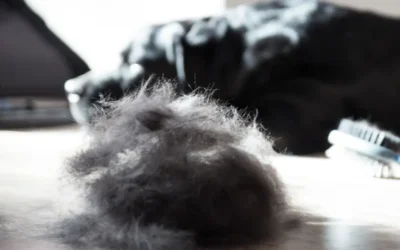
Spring is arguably the most demanding grooming season, as pets shed their heavy winter coats in preparation for warmer weather. This natural process, often called “blowing coat,” can leave your home covered in fur if not properly managed.
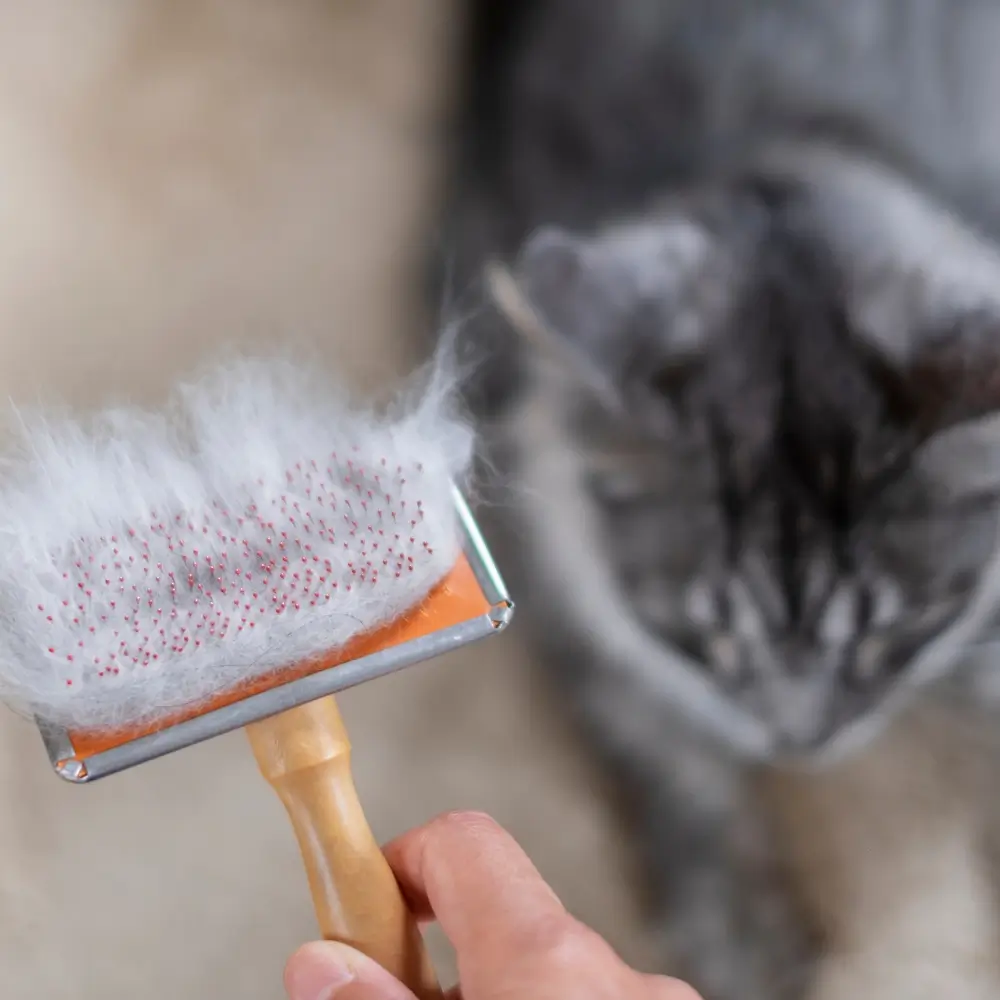
For Dogs: Double-coated breeds experience the most dramatic spring shedding. Daily brushing becomes non-negotiable during this period, which can last 2-4 weeks. Tools like slicker brushes, undercoat rakes, and de-shedding tools are invaluable for removing loose undercoat efficiently.
Single-coated breeds like Poodles, Maltese, and Yorkshire Terriers don’t shed seasonally in the same way but still benefit from regular grooming and haircuts as warmer weather approaches.
For Cats: All cats shed more heavily in spring, with long-haired breeds requiring the most attention. Increase brushing frequency to daily sessions to prevent excessive hairball formation and reduce the amount of fur your cat ingests during self-grooming.
Spring Cleaning Bath Time
After a long winter, spring is an excellent time for a thorough bath to remove accumulated dirt, dander, and loose hair. This deep clean helps jumpstart healthy coat growth for the warmer months ahead.
Professional grooming services can be particularly beneficial during spring, as groomers have the tools and expertise to remove dead undercoat more efficiently than most home grooming sessions. At Dingo’s Natural Pet, our grooming professionals understand breed-specific needs and can recommend the best approach for your individual pet.
Addressing Seasonal Allergies
Spring brings blooming plants and increased pollen, which can trigger allergies in both dogs and cats. Signs include excessive scratching, red or watery eyes, and frequent paw licking.
- Wipe down your pet’s coat and paws after outdoor time to remove pollen.
- Consider more frequent bathing with hypoallergenic shampoos to remove allergens from the coat.
- Keep indoor spaces clean and use air purifiers to reduce allergen exposure.
Summer Grooming: Keeping Cool and Protected
Heat Management Without Over-Trimming
A common misconception is that shaving your pet will keep them cooler in summer. In reality, a pet’s coat provides essential insulation against both cold and heat, and also protects against sunburn and skin damage.
For Dogs: While heavy trimming or shaving can be appropriate for some single-coated breeds, double-coated dogs should never be shaved down to the skin. Their coat acts as a temperature regulator, trapping cool air close to the body while protecting against UV rays. Instead, focus on removing dead undercoat through regular brushing and de-shedding.
Breeds that do benefit from summer haircuts include Poodles, Shih Tzus, Bichon Frises, and other continuously-growing coat types. A shorter summer cut can improve comfort without compromising skin protection.
For Cats: Most cats should never be shaved unless medically necessary, as it can disrupt their natural cooling mechanism and expose skin to sunburn. Instead, maintain regular brushing to remove excess fur and prevent matting, which can trap heat against the skin.
Increased Bathing Frequency
Summer activities often mean dirtier, smellier pets. Swimming, hiking, and rolling in grass can leave dogs needing more frequent baths.
- Increase bathing to every 2-4 weeks for active dogs, using gentle, pH-balanced shampoos that won’t strip essential oils.
- After swimming in pools, lakes, or oceans, rinse your dog thoroughly to remove chlorine, salt, bacteria, and algae that can irritate skin.
- For cats who venture outdoors, spot-clean dirty areas with pet-safe wipes rather than full baths, which most cats find stressful.
Parasite Prevention and Inspection
Summer grooming sessions provide excellent opportunities to check for ticks, fleas, and other parasites. Pay special attention to areas where ticks commonly attach: around the ears, under the collar, between toes, and in skin folds.
Regular brushing helps you detect parasites early and allows you to inspect skin for lumps, bumps, or irritations that might develop during outdoor adventures.
Sun Protection for Light-Colored and Thin-Coated Pets
Just like humans, pets can get sunburned, especially those with white or light-colored coats, pink noses, and sparse fur. Areas particularly vulnerable include ear tips, noses, and bellies.
- Apply pet-safe sunscreen to vulnerable areas before extended sun exposure.
- Provide shaded areas for outdoor time during peak sun hours.
- Consider protective clothing like UV-blocking shirts for particularly sensitive dogs.
Fall Grooming: Preparing for Winter
Transitioning Coats
As temperatures drop and days shorten, your pet’s body begins preparing for winter by growing a thicker coat. This transition period requires attentive grooming to support healthy coat development.
For Dogs: Continue regular brushing throughout fall to remove summer coat and make room for new winter growth. This prevents the new undercoat from getting trapped beneath old hair, which can lead to matting and skin irritation.
Fall is an excellent time to establish a solid grooming routine if you’ve been lax during summer, as the cooler weather makes both pets and owners more amenable to longer grooming sessions.
For Cats: Indoor cats may not develop as pronounced a winter coat as outdoor cats, but you’ll still notice increased shedding as their summer coat transitions. Maintain consistent brushing schedules to manage this change.
Addressing Matting Before Winter Sets In
Mats that develop in fall will only worsen during winter when pets spend more time indoors on furniture and bedding. The friction from lying down and getting up repeatedly can turn small tangles into painful mats that pull on skin.
Pay special attention to high-friction areas:
- Behind the ears
- Under the collar
- Armpits and groin area
- Rear end and tail
- Areas where harnesses or clothing rub
For severe matting, professional grooming may be necessary. Attempting to remove tight mats at home can accidentally cut skin and cause injury.
Paw Preparation
Before winter weather arrives, take time to condition and prepare your pet’s paws for the challenges ahead.
- Trim nails to an appropriate length, as overgrown nails can cause discomfort and balance issues on slippery surfaces.
- Moisturize paw pads with pet-safe balms to prevent cracking when cold weather arrives.
- Gradually introduce paw handling if your pet isn’t accustomed to it, making winter paw care easier.
Fall Health Check
Schedule a veterinary wellness exam in fall if your pet hasn’t had one recently. Your vet can assess overall health, including skin and coat condition, and address any concerns before winter when certain conditions may worsen.
Year-Round Grooming Fundamentals
Establishing a Consistent Routine
Regardless of season, consistency is key to maintaining your pet’s coat health. Establish a regular grooming schedule that works for your lifestyle and your pet’s needs.
Basic Grooming Schedule:
- Brushing: Daily for long-haired breeds, 2-3 times weekly for medium coats, weekly for short-haired pets
- Bathing: Every 4-8 weeks for dogs (breed and lifestyle dependent), as needed for cats (typically infrequent)
- Nail trimming: Every 3-4 weeks, or when you hear clicking on hard floors
- Ear cleaning: Weekly inspections, cleaning as needed
- Dental care: Daily brushing ideally, minimum 3 times weekly
Professional Grooming Services
While home grooming is essential, professional grooming provides benefits that complement your routine. Professional groomers have specialized tools, techniques, and experience to address breed-specific needs and can identify potential health issues early.
At Dingo’s Natural Pet, our grooming services are designed to work with your home care routine, providing deep cleaning, precise trimming, and expert coat care that keeps your pet looking and feeling their best year-round. We also offer self-wash stations for pet parents who enjoy the grooming process but appreciate professional-grade equipment and facilities.
Nutrition’s Role in Coat Health
Beautiful coats start from the inside out. High-quality nutrition rich in omega-3 and omega-6 fatty acids, quality proteins, and essential vitamins supports healthy skin and lustrous fur regardless of season.
Our selection of organic, natural pet foods at Dingo’s Natural Pet provides the nutritional foundation for optimal coat health. Omega-rich foods are particularly beneficial for pets with dry, dull, or brittle coats.
Tools of the Trade
Investing in quality grooming tools makes home care easier and more effective:
- Slicker brushes: Remove loose hair and prevent matting
- Undercoat rakes: Essential for double-coated breeds
- De-shedding tools: Reduce shedding by removing loose undercoat
- Combs: Detect and remove small tangles before they become mats
- Nail clippers or grinders: Maintain appropriate nail length
- Quality shampoos and conditioners: Cleanse without stripping natural oils
Making Grooming a Positive Experience
Tips for Success:
- Start grooming routines when pets are young to build positive associations
- Keep sessions short initially, gradually increasing duration as tolerance builds
- Offer high-value treats during and after grooming
- Stay calm and patient—your energy affects your pet’s response
- If your pet shows signs of severe stress, consult with professional trainers or groomers experienced in handling anxious animals
For pets who struggle with home grooming, professional groomers are trained to work with anxious or reactive animals safely and compassionately.
Your Partner in Pet Care
Proper grooming isn’t just about appearance—it’s about health, comfort, and quality of life. By understanding and adapting to your pet’s seasonal needs, you’re providing care that goes beyond the surface to support their overall well-being.
Visit us at Dingo’s Natural Pet to explore our grooming services, stock up on premium grooming supplies, or chat with our team about your pet’s specific needs. Because every pet deserves to look fabulous and feel wonderful, all year long.